As an Amazon Associate, we earn from qualifying purchases. Some links may be affiliate links at no extra cost to you. Although our opinions are based on curated research, we haven't used these products. Articles generated with AI.


How To Choose Desert Wildlife Safety?

When we’re out exploring the desert, safety around wildlife is key! Let’s keep a safe distance—25 yards from most creatures and 100 from predators. Remember, it’s a “don’t feed the wildlife” kind of place; we want them to stay wild! Pack first aid supplies just in case, and always respect their space. It’s exhilarating to see them in their natural habitat. Want to learn more about keeping safe while hiking those scenic trails? We’re here to assist!
Key Takeaways
- Keep a safe distance from wildlife: 25 yards for most animals and 100 yards for predators to prevent threatening encounters.
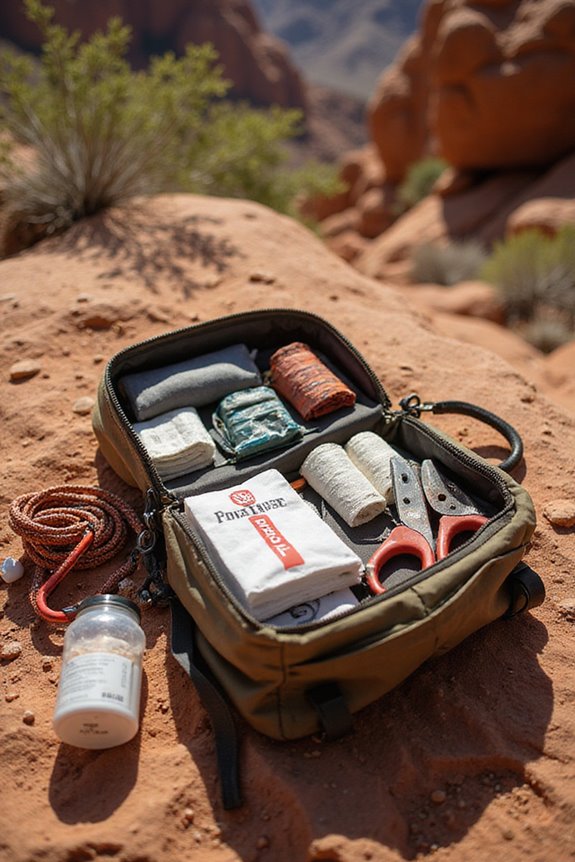
- Always carry emergency survival gear, including first aid supplies, to handle unexpected wildlife situations safely.
- Avoid feeding wildlife, as it encourages dependency and disrupts their natural behavior and habitat.
- Practice responsible exploration by sticking to designated trails to minimize habitat disruption for desert wildlife.
- Use proper vehicle safety measures, like keeping headlights aligned and using high beams, to spot animals on the road.
Understanding Desert Wildlife Hazards
When we hit the trails in the desert, it’s easy to get lost in the stunning views and the thrill of adventure. But we need to keep our eyes peeled for wildlife hazards! Rising temperatures and habitat loss are shaking up wildlife behavior, making the once familiar trails feel like uncharted territory. Smaller creatures, like those delicate little birds, face dehydration with every blistering degree. We’ve seen how extreme heat changes their activity and driving some out of their homes. It’s wild—literally! So, as we roam, let’s be mindful of the delicate balance of this thriving, yet vulnerable, ecosystem. Explore responsibly, and remember, freedom in the wild means respecting our furry, feathered, and scaly friends—and avoiding any surprise encounters! Always carry emergency survival gear for unexpected wildlife encounters that might leave you stranded or delayed on your desert adventure.
Identifying Key Desert Wildlife Species for Safety

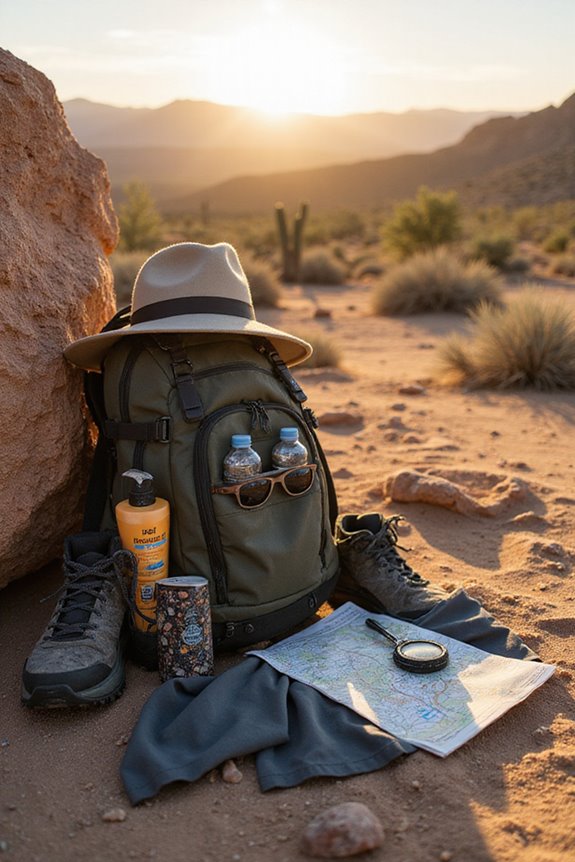
As we trek through the desert, discovering its vibrant wildlife is as thrilling as the breathtaking views around us! Let’s sharpen our awareness of key desert species. Keep an eye out for mule deer; these year-round residents are as curious as we are. Coyotes roam at night, so if we hear their howls, we recognize we’re not alone! When it comes to reptile identification, beware of rattlesnakes—they’re the rockstars of danger on our trails. Chuckwallas might seem harmless, but their impressive camouflage can catch us off guard! Don’t forget the charm of kangaroo rats and pocket mice, sneaky little critters that impact mammal behavior. Understanding these animals will keep our adventures safe and enjoyable as we embrace the wild! Wearing proper ankle support can prevent injuries when you need to quickly navigate away from wildlife on rugged desert terrain.
Recommended Products

Roomy Toe Box: These men's hiking boots feature a wide toe box that provides more space for toes to spread naturally, improving walking balance and overall foot health.
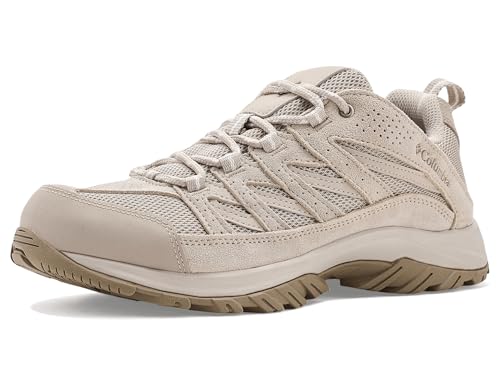
NIMBLE HIKER: The perfect combination of high function and performance, this all-purpose hiker will deliver years of comfortable service

【Durable & Impact-Resistant Design】The men's hiking boots are meticulously crafted from premium leather and 1000D nylon fabric. Reinforced toe caps and heels provide all-around protection, featuring impact resistance and ankle support
Planning Safe Interaction and Relocation Procedures
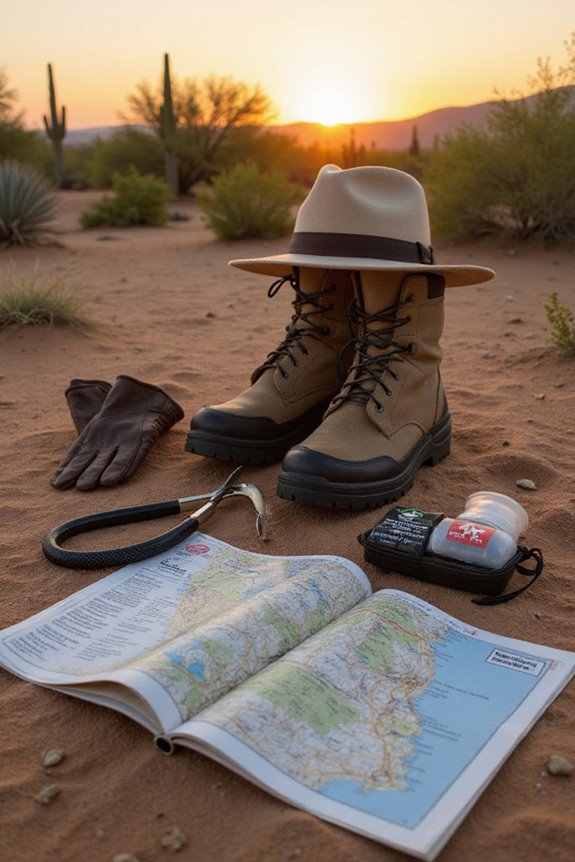
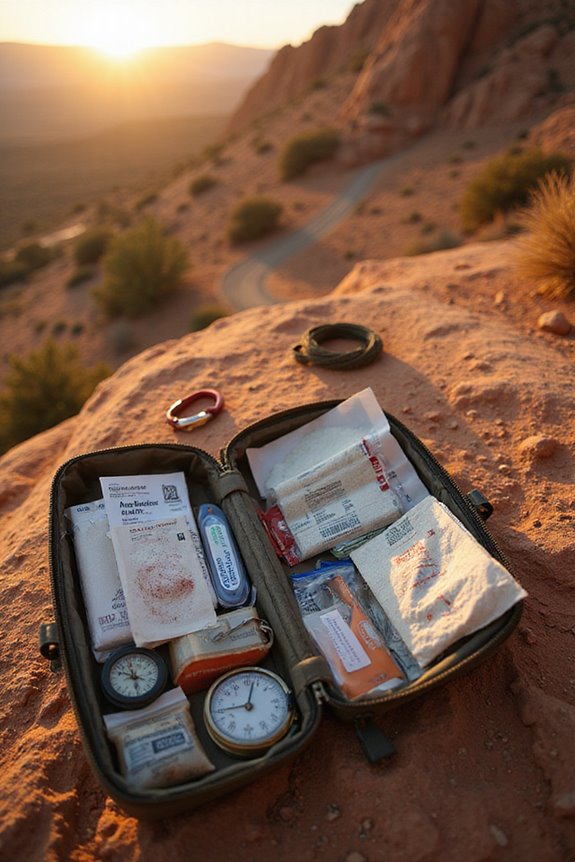
Planning our interactions with desert wildlife is essential, not just for our safety but to guarantee that we leave these amazing creatures undisturbed in their natural habitat. When we commence wildlife observation, let’s maintain a safe distance—25 yards for most animals and 100 for those unpredictable predators. Remember, feeding them is a definite no-no; we don’t want to turn our furry friends into foodies reliant on human snacks. Always bring essential first aid supplies suitable for treating minor injuries in case of unexpected wildlife encounters. In case of a distressed animal, please reach out to wildlife professionals—let’s leave humane relocation to the experts! We’ll all enjoy our wilderness adventures more when we respect these animals and their space. So, let’s wander responsibly and keep the desert thriving for generations to come!
Recommended Products

ESSENTIALS FOR EMERGENCY: Everything you need is in this first aid kit! Our kit includes over 150 professional-grade medical and safety supplies, all kinds of bandages, gloves, povidone-lodine prep pad, metal tweezers, tourniquet, etc. 100% latex free

ESSENTIALS FOR EMERGENCY: Everything you need is in this first aid kit! Our kit includes over 150 professional-grade medical and safety supplies, all kinds of bandages, gloves, povidone-lodine prep pad, metal tweezers, tourniquet, etc. 100% latex free

152 Piece Small First Aid Kit, Travel Size First Aid Kit TSA Approved, Mini Forst aid kit for Home, Car, Travel, Camping, Truck, Sports, Office, Hiking Med Kit for Backpack
Vehicle and Roadway Safety Measures in Desert Areas
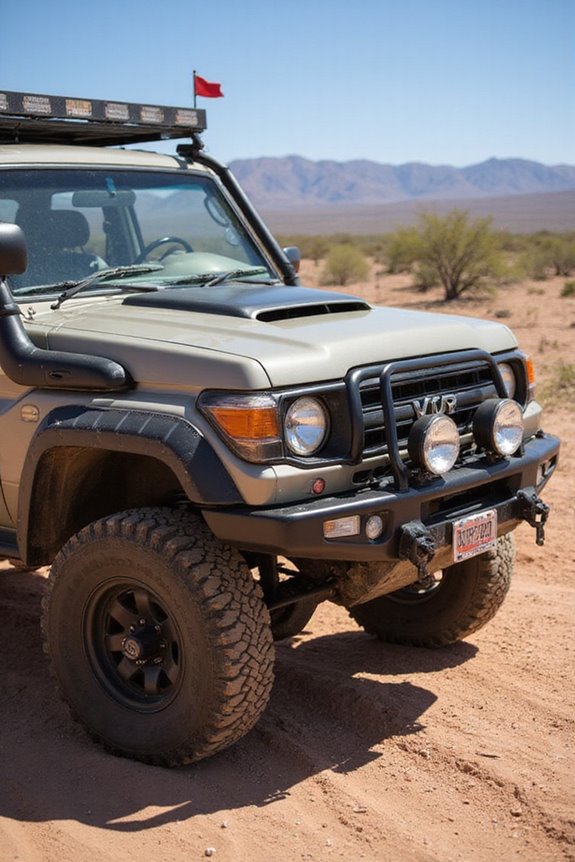
No one wants to experience the heart-stopping thrill of a close encounter with a desert critter while driving, right? Let’s talk vehicle maintenance—keeping our headlights aligned can make all the difference when spotting wildlife at night. Remember, using high beams in open areas is key!
And hey, those driving techniques we casually toss around, like avoiding direct stares at oncoming lights, help us stay alert for those sneaky animals.
We must also stick to designated roads to avoid messing up their habitats. Consider packing a survival bracelet with features like a compass and emergency whistle for unexpected wildlife encounters off-road. If we all embrace traffic calming measures and stay vigilant, we can enjoy the freedom of the open desert with a little less wildlife drama. Let’s hit the trails respectfully, folks!
Recommended Products

8 PCS: It can be given as a gift to friends or family. Believe me, this is a very practical gift with excellent workmanship and affordable price.

【5 in 1 Survival Bracelet】 Smithok all-inclusive survival bracelets offer a range of survival gear, including a reliable and accurate compass, a fire starter, a 11 feet of military-grade paracord, and a whistle. Perfect for traveling, the tactical bracelet is lightweight and adjusts to fit the wrist perfectly.
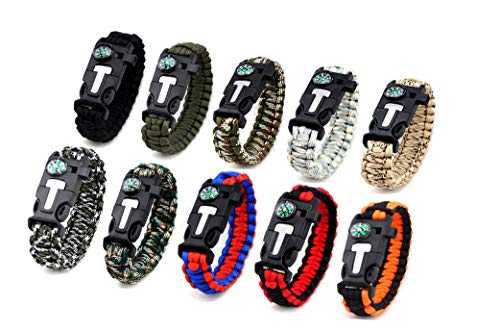
10 PCS 5-IN-1 Survial Tool: fire starter, reliable compass, loud emergency whistle, emergency knife
Environmental and Recreational Management for Wildlife Safety
When we step into the breathtaking desert, we’re not just adventurers; we’re custodians of this unique environment! To protect our wild neighbors, we must embrace practices like water conservation and habitat restoration. Building water catchments guarantees desert wildlife, like the majestic bighorn sheep, thrive without competing for scarce resources.
Let’s tread lightly on designated trails to reduce stress on fragile habitats. We’ve got to keep our distance from wildlife—those selfies are great, but a bighorn isn’t much for social media! By monitoring our impact, we can prevent unnecessary disturbances. Having waterproof lighting solutions is essential for safely navigating desert environments after dark while minimizing disruption to nocturnal wildlife.
Recommended Products

【MOTION SENSOR MODE】Different from other products, our headlamp is equipped with the latest smart sensors. Easily control the light on and off by waving your hand even if you have gloves on, won’t dirty the unit. Please turn on the head lamp and the induction switch at the same time.
Education and Community Involvement in Desert Wildlife Safety
As we lace up our hiking boots and venture into the mesmerizing desert landscape, it’s essential to remember that education and community involvement are our best allies in safeguarding wildlife. Embracing community education enhances our understanding of desert ecosystems, making us smarter adventurers!
Let’s mobilize our fellow nature lovers by sharing wildlife observation platforms like iNaturalist, where we can report our sightings and help monitor local populations. Engaging kids and local schools is vital; those hands-on field trips ignite excitement about desert species!
Together, we can minimize our impact and create a culture of respect for wildlife. So, let’s work with the community, because united, we can protect our wild friends while enjoying the freedom of the great outdoors.
Implementing Effective Wildlife Protection Strategies
Implementing effective wildlife protection strategies is essential for preserving the magic of our desert adventures. When we think about wildlife conservation, protecting unique habitats is front and center. By designating protected areas, we can create safe havens for endangered species—and let’s be honest, nobody wants to see a desert tortoise on the endangered list!
Moreover, restoring native vegetation boosts habitat quality, giving our critter friends a solid food source. It’s like hosting a desert buffet for all the right guests! We should also focus on keeping invasive species in check; they can really crash the party. With careful water resource management, we’re ensuring that our wild friends thrive, making our outdoor experiences all the more vibrant and fulfilling. Let’s safeguard this freedom together!
Recommended Products


Collaborating With Local Authorities and Organizations
Collaborating with local authorities and organizations is essential for guaranteeing our desert adventures remain vibrant and full of life. By forming local partnerships, we can effectively integrate wildlife recovery plans into community efforts, creating a united front for habitat protection. Think about it: when agencies work together, they can allocate resources wisely, tackling issues like habitat disruption from off-highway vehicles while preserving our favorite trails.
Working with conservation groups and tribal organizations enriches our approach to sustainability. Their insights and expertise guarantee we’re not just protecting wildlife, but also honoring the land. Plus, it’s a great way to rally support for essential legislation! So let’s get involved, share our ideas, and keep the desert alive and thriving for all of us!
Frequently Asked Questions
What Are Common Signs of Wildlife Entering Populated Areas?
We often notice wildlife tracks appearing around our homes, signaling urban encroachment. From burrows to scat, these signs remind us of nature’s persistence, urging us to coexist and respect the wild side of our environment.
How Do I Report a Wildlife-Vehicle Collision Effectively?
It’s ironic—we want freedom on the road, yet wildlife can disrupt that. For reporting collisions effectively, we must prioritize wildlife reporting, ensuring timely communication while embracing our roles in collision prevention. Let’s make a difference together!
What Should I Do if I Encounter a Rattlesnake?
If we encounter a rattlesnake, it’s essential we maintain safe distancing—at least 10 feet—to respect its behavior. Let’s stay calm, avoid sudden movements, and move slowly around it to guarantee our safety.
Are There Specific Seasons When Wildlife Hazards Increase?
As we dance through the changing seasons, we find wildlife migration and seasonal behaviors stir restlessly. In spring and fall, animal movement peaks, heightening our encounters—embracing nature’s rhythm keeps our adventures safe and thrilling.
How Can I Contribute to Local Wildlife Conservation Efforts?
When we think about local wildlife conservation efforts, we can engage in wildlife volunteering or make conservation donations. Every little action helps preserve our natural surroundings and supports the essential work of dedicated organizations.