As an Amazon Associate, we earn from qualifying purchases. Some links may be affiliate links at no extra cost to you. Although our opinions are based on curated research, we haven't used these products. Articles generated with AI.

How To Choose High Altitude Climbing?

When we’re choosing high altitude climbing, we need to take into account several key factors! First, we should understand our altitude category and select a style, like alpine or expedition, that suits our pace and team size. Next, we’d assess our technical skills—it’s essential to be prepared! We can’t forget about gear either; a well-packed climbing kit makes all the difference. Plus, knowing about acclimatization and weather safety guarantees we tackle challenges head-on. Stick with us, and we’ll share more adventure tips!
Key Takeaways
- Assess your climbing style: choose between alpine for speed or expedition for a more leisurely experience with a larger team.
- Evaluate your technical skills: ensure you have mastered essential techniques suited for your experience level, such as rope management and navigation.
- Consider the altitude category: understand the risks and required gear for climbing at moderate, high, or extreme altitudes.
- Prepare your gear: select high-quality equipment like four-season tents, ice axes, and crampons for optimal safety and comfort in harsh conditions.
- Focus on acclimatization and hydration: ensure your body can adapt to high altitude to prevent acute mountain sickness and to enhance performance.
Understanding High Altitude Categories
When we think about high altitude climbing, understanding the various altitude categories is essential, especially if we want to make the most of our adventures without losing our breath—literally! The domain of high altitudes is thrilling yet challenging. We start from moderate altitudes, where we might feel a bit of a burn, up to the extreme altitudes, famously known as the “death zone,” where oxygen feels like a rare commodity. For extreme high altitude expeditions, four-season tents provide essential protection against severe weather conditions while ensuring warmth and safety during cold temperatures at higher elevations.
Comparing Climbing Styles: Alpine vs. Expedition
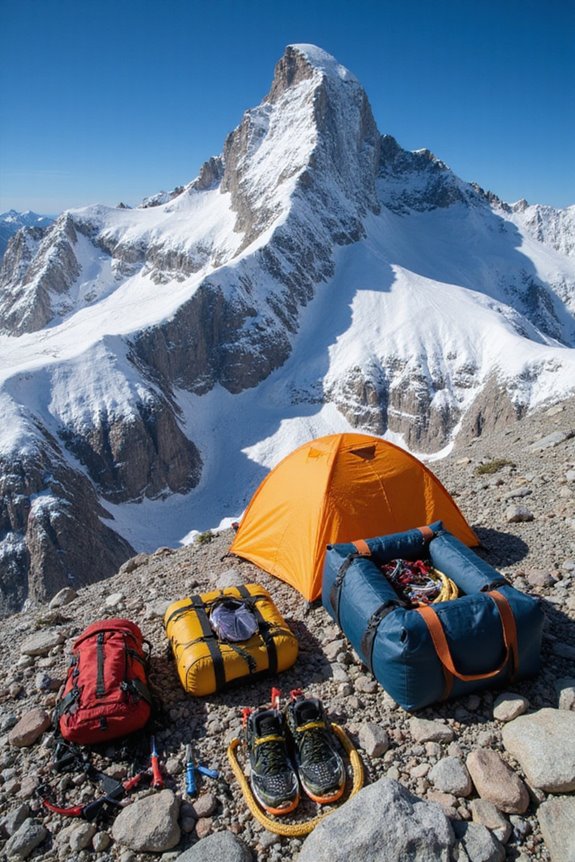
Exploring the different styles of climbing can be as thrilling as reaching the summit itself! When we think about alpine versus expedition climbing, it really comes down to alpine efficiency versus meticulous expedition logistics. Alpine climbing is all about speed and minimal gear, so we carry everything on our backs with nimble teams. It’s fast-paced and exhilarating, allowing us to scale peaks quickly and escape bad weather.
On the flip side, expedition climbing demands patience and involves large teams with multiple camps and support. We’ll linger for weeks, gazing at stunning views while we stock up our camps! Both styles have their perks—it ultimately boils down to how we prefer to balance freedom and safety on our adventure. Regardless of which climbing style you choose, having emergency sleeping bags that retain 90% of your body heat is crucial for unexpected weather conditions at high altitudes. Let’s find our perfect fit!
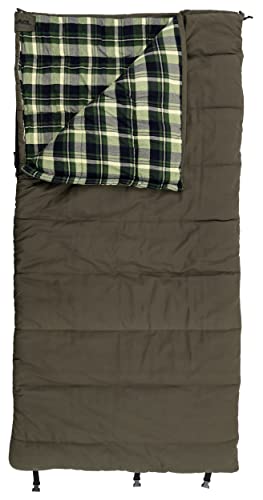
Extreme Cold Weather Sleeping Bag for Adults: Rated to a formidable -25 degrees Fahrenheit, the ALPS OutdoorZ Redwood is a heavy-duty, oversized rectangle adult sleeping bag, ensuring exceptional warmth and comfort even in the coldest camping conditions, making it a vital addition to your camping essentials.

Eco-conscious warmth to 50°F, made with 100% post-consumer-recycled shell, liner & Ecotherm fill

EXTREME SLEEPING BAG – Our down sleeping bag is rated to -30 degrees Fahrenheit and ideal for late-season hiking, hunting and camping in low temperatures
Assessing Technical Skill Levels for Climbing
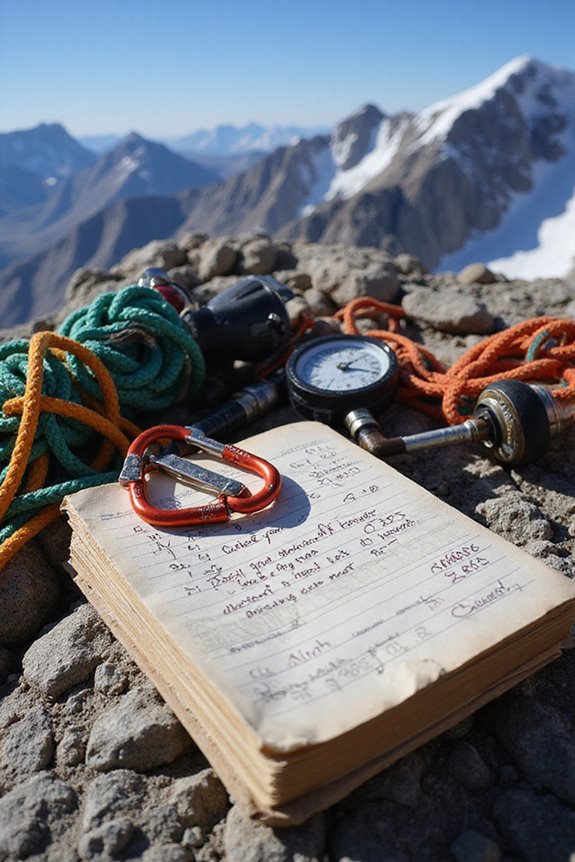
How do we determine if we’re ready to tackle those thrilling heights of high-altitude climbing? It starts with a solid skill assessment. If we’re beginners, we need that burning motivation and decent fitness to learn the basics. For those at the intermediate level, mastering ropes and climbing commands is crucial. When we reach advanced levels, steep rock and snow become our playground, demanding complex techniques.
Technical training is our ticket to the top, so let’s focus on mastering essential skills. From rope management to navigation, each step up requires flexibility and practice. Remember, freedom in the mountains comes when we’re prepared—let’s embrace the challenge ahead and make our climbs an epic adventure! Who’s ready to conquer those peaks with us? Ensure your backpack includes a survival first aid kit for treating minor injuries that might occur during your high-altitude adventure.

🏥 200-Piece Comprehensive First Aid Essentials: Elevate your preparedness with the Rescue Pack, a treasure trove of 200 meticulously curated first aid supplies. From versatile colorful waterproof bandages, and moleskin protection pads to tick removers, we've got all your needs covered for any on-the-go emergency.

160-piece All-Purpose Portable Emergency First Aid Kit is ideal for home, cars, outdoors, dorms & camping. All Purpose Compact First Aid Kit is HSA & FSA eligible. Check with your plan for complete coverage details

SURVIVAL ESSENTIALS: first aid supplies, high quality survival essentials and first aid supplies. Helps care for medical or emergency needs during camping, hiking, hunting or during hurricanes, tropical storms, earthquakes and tornados
Physiological and Psychological Factors in High Altitude Climbing
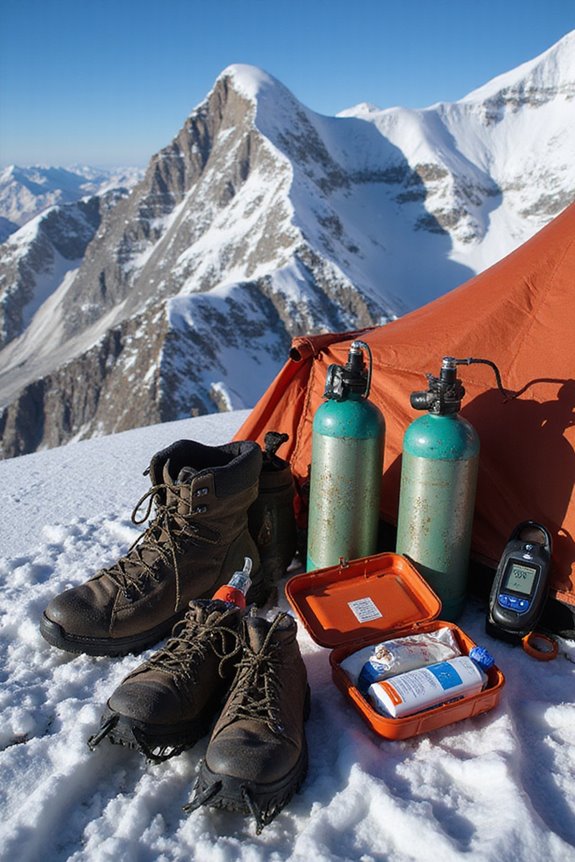
As we gear up for those breathtaking heights, let’s not forget the physiological and psychological hurdles we’ll face during high-altitude climbing. Our bodies fight hard to adapt, experiencing cerebral vasodilation and the thrilling but risky effects of decreased oxygen. We might feel symptoms of acute mountain sickness creeping in—headache and fatigue, oh my!
But here’s the kicker: embracing mental resilience helps us push through. We learn to rely on positive self-talk and stress management techniques to conquer fear and fatigue. It’s not just about physically adapting; it’s about mastering our minds in high-stakes situations. Trekking poles can significantly reduce joint strain during challenging high-altitude ascents. So, let’s hydrate, acclimatize, and remember that the mountain rewards those who dare to keep climbing, body and soul!
Essential Equipment for High Altitude Climbing
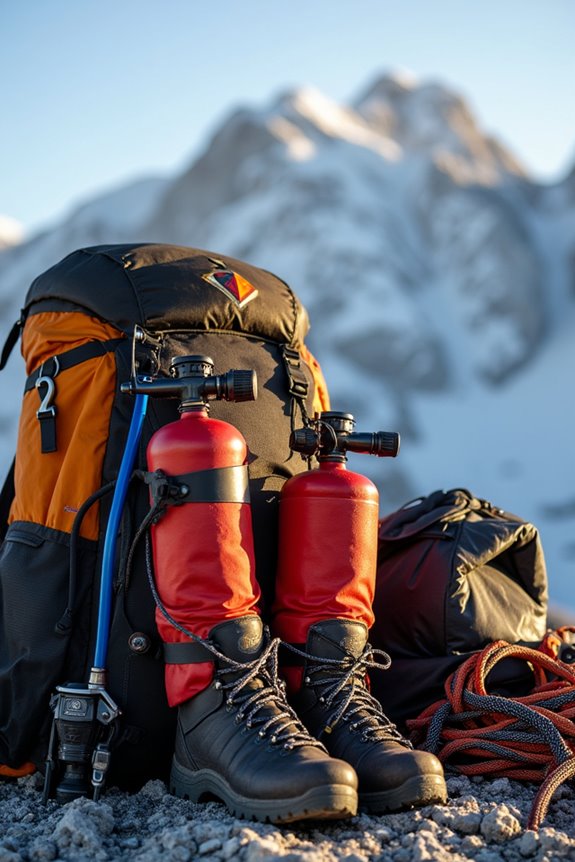
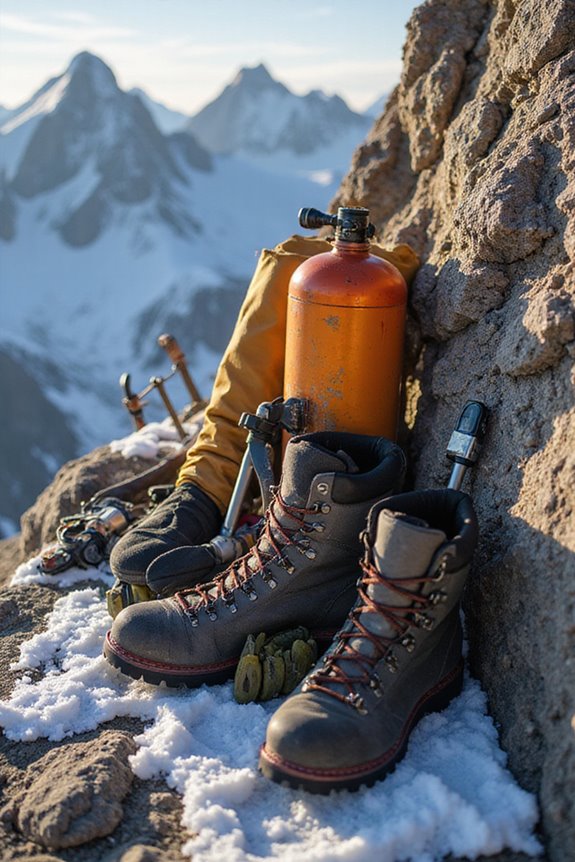
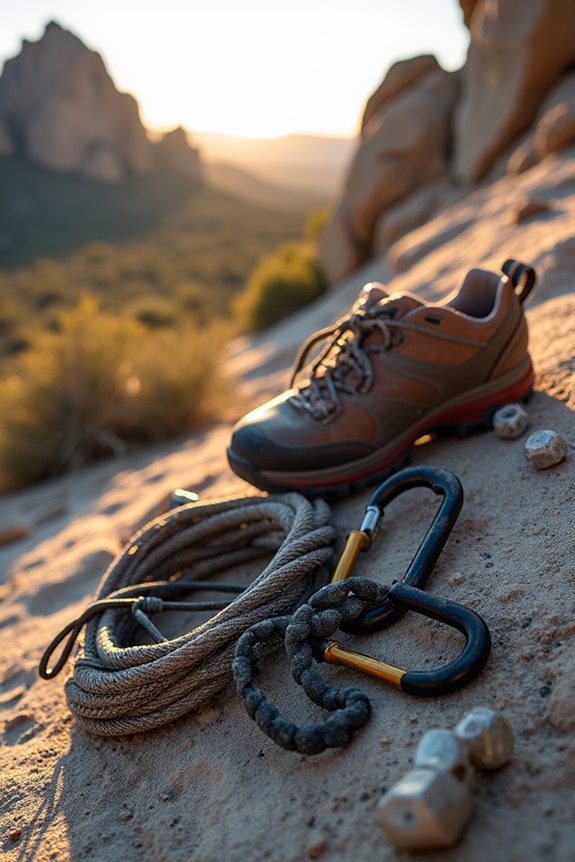
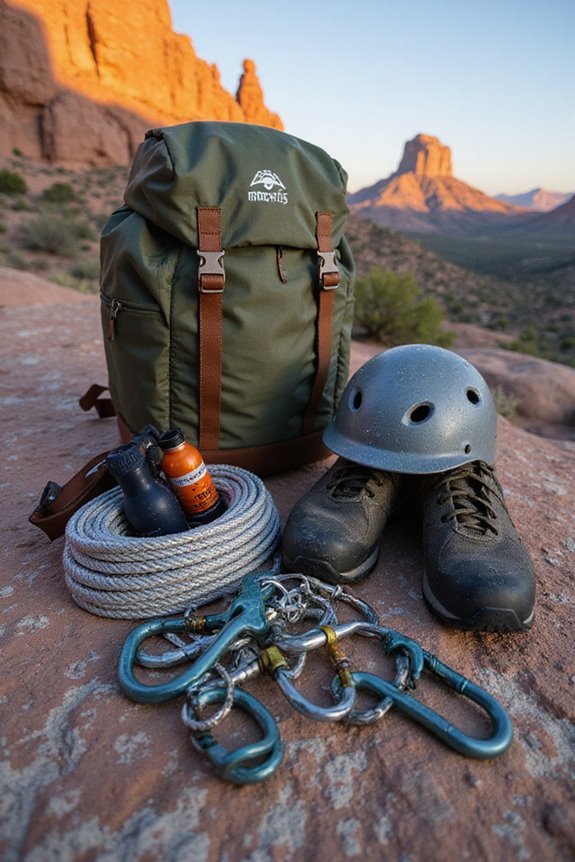
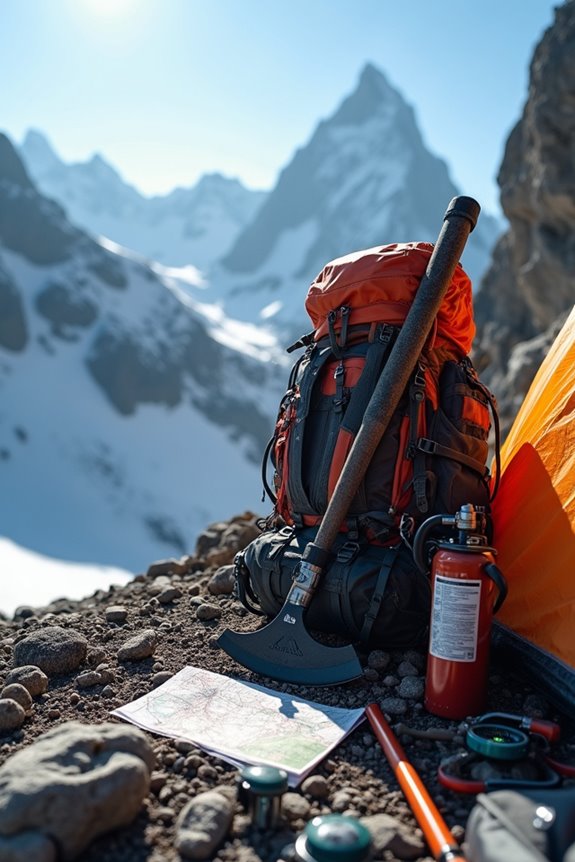
When we set our sights on those towering peaks, the right gear can make all the difference between a mind-blowing adventure and a mountain of trouble. Our gear selection is about more than just looking cool; it’s our lifeline! A solid climbing pack, dry-treated ropes, and a helmet are essentials that keep us safe on those slippery slopes. And let’s not forget about our trusty ice axe and crampons—without them, we might as well plan a beach trip!
But gear isn’t enough—equipment maintenance is key. We need to check our gear regularly to avoid surprises. Every piece contributes to our journey, so let’s make sure it’s ready for whatever challenges the mountain throws our way! For emergencies, a compact survival kit containing first aid supplies and multi-tools can save lives when unexpected situations arise. Adventure awaits!
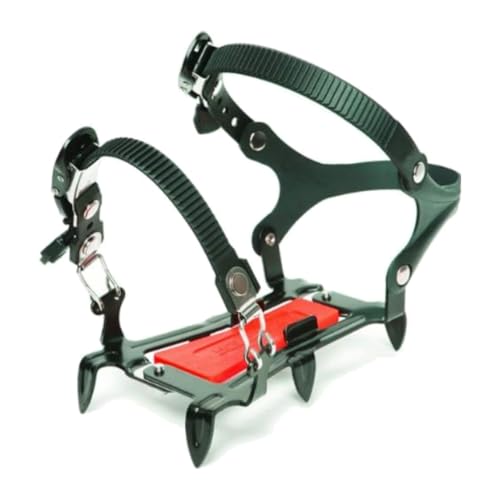
PACKED SNOW & ICE: The 6 carbon steel 20mm and 25mm spikes are ideal for gripping onto packed snow, ice, glaciers, and deeper terrain. Recommended for non-technical trekking.

🧗♂️A Must-Have for Active Kids: In snowy days, Giggleway kids ice cleats for Shoes & Boots is a good tool to guarantee safety, eliminate biffing and reduce tears on ice and snow surface or rough terrain. Our Children can enjoy playing, running and unleashing themselves in the snow with this snow spikes on any kid’s snow hiking boots and shoes.
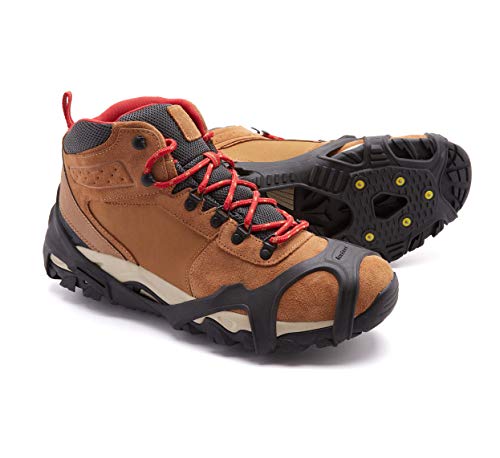
TUNGSTEN SPIKES – Prevent slips and falls this winter with our new and improved ICETRAX V3 Tungsten ice cleats. Designed in Canada for harsh winter conditions, these ice grippers feature 9 strategically placed Tungsten Carbide ice cleat crampons combined with our proprietary snow tread traction system for maximum traction on ice and snow. ICETRAX ice cleats help you to walk, run and work more confidently in slippery winter conditions without worrying about slipping.
Risk Management Strategies for Safe Ascent
While we might dream of conquering majestic peaks, the reality is that safe ascent demands savvy risk management. We need to set out on a thorough risk assessment, identifying both objective dangers, like weather and avalanches, and our own climbing skills. Keeping an eye on ever-changing weather patterns is essential, and let’s not forget to leverage tools like GPS and map reading for precise route planning! We must communicate our plans clearly with others, ensuring someone’s in the loop for emergencies. During our climb, staying mentally focused is crucial; distractions can lead to mishaps. Ultimately, adhering to safety protocols helps us stay safe, allowing us to experience that wild freedom we crave. Let’s embrace the adventure wisely!
Acclimatization Techniques for High Altitude
After tackling the serious business of risk management, it’s time we gear up for one of the most exciting aspects of high-altitude climbing: acclimatization techniques! Embracing acclimatization benefits can make our adventures not just fun, but safe too. The key? Understanding altitude adaptation, folks!
Let’s climb high during the day but sleep low at night. This allows our bodies to adjust while we rest. Don’t rush it! Gradually increasing elevation reduces that nasty altitude sickness. Plus, we can simulate high altitudes at home using altitude masks—there’s your personal gym upgrade!
Importance of Weather Awareness and Emergency Preparedness
Understanding weather conditions can be the difference between a thrilling adventure and a formidable disaster! As we gear up for high altitude climbing, we must prioritize weather awareness. Rainfall extremes are on the rise—just a 1°C increase can lead to a 15% rise in heavy rain at high elevations. That’s no joke! That’s why staying updated with reliable weather forecasting is essential.
We should always carry emergency kits stocked with food, water, and medical supplies. Unexpected storms can stretch our plans, turning a joyful climb into a challenging odyssey. Let’s be proactive! Prepare for anything—heat stress, hypothermia, or just a downpour. Our safety and enjoyment depend on it. So, let’s embrace adventure, but never forget the weather!
Frequently Asked Questions
What Are the Signs of Altitude Sickness to Watch For?
When we’re climbing, symptoms awareness is essential. We need to recognize headaches, dizziness, and shortness of breath. By practicing prevention strategies—like acclimatizing properly—we can enjoy our adventures without the discomfort of altitude sickness.
How Should I Train for High Altitude Climbing?
They say, “The mountains are calling, and we must go.” For high-altitude climbing, let’s focus on endurance training and altitude acclimatization, blending physical preparation with our passion for exploration and the freedom the heights provide.
Can I Climb High Altitudes Without Previous Experience?
We can’t recommend high altitude climbing for beginner climbers without prior experience. Proper altitude acclimatization is essential to guarantee safety, and we should build skills progressively before embracing the freedom of those breathtaking heights.
What Is the Best Time of Year for High Altitude Climbs?
When considering the best time for high altitude climbs, we often find spring conditions ideal. The stable weather patterns during this season not only enhance our safety but also elevate our sense of adventure and freedom.
How Do I Choose a Climbing Partner for High Altitude Expeditions?
When choosing a climbing partner for high altitude expeditions, we must balance effective communication styles and risk management. Let’s embrace adventure together while ensuring our goals align, keeping our safety and excitement in harmony.