As an Amazon Associate, we earn from qualifying purchases. Some links may be affiliate links at no extra cost to you. Although our opinions are based on curated research, we haven't used these products. Articles generated with AI.

How To Choose Leave No Trace In Desert?

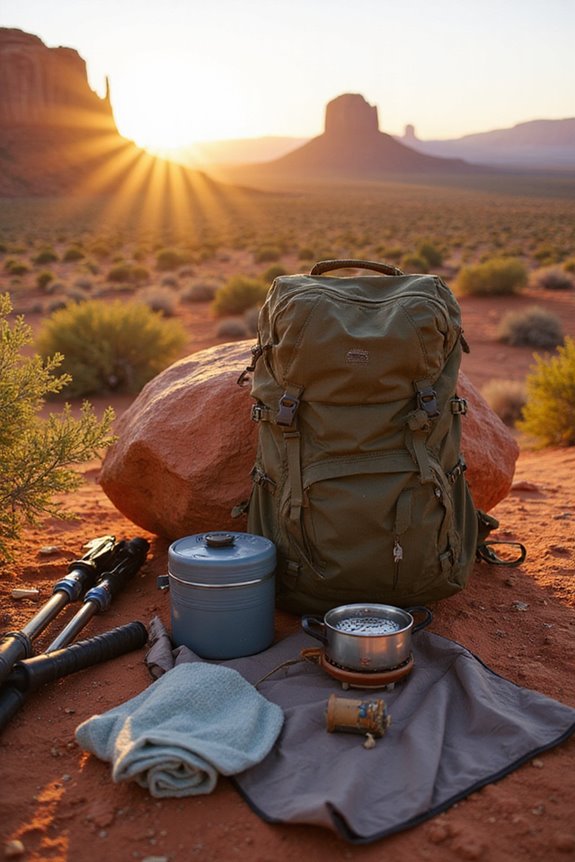
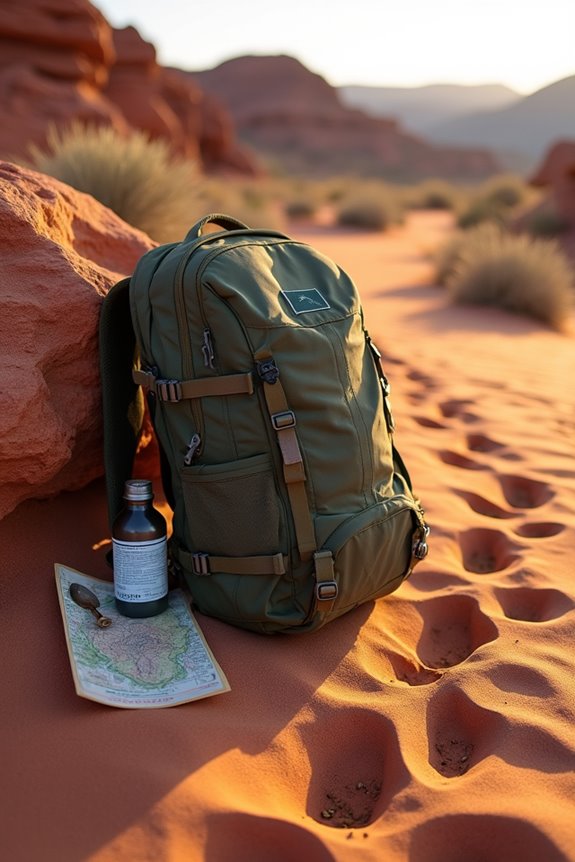
To truly embrace the desert’s stunning landscapes while leaving no trace, we’ve gotta plan smart! Let’s choose durable surfaces like rock or gravel for our adventures and steer clear of fragile vegetation. Always pack out what we pack in – that means no trash left behind! And remember to respect natural and cultural features; they’re treasures for all. We can protect these wild spaces together! Want to know more tips for our next desert escapade? Stick around!
Key Takeaways
- Stay on established trails and avoid fragile vegetation to protect desert ecosystems.
- Use appropriate waste disposal practices, including the cat hole technique for human waste.
- Carry reusable containers for food and trash to minimize single-use plastic waste.
- Pack out all trash and food scraps to maintain the cleanliness of desert areas.
- Respect cultural and natural features by leaving artifacts undisturbed and preserving the landscape for future visitors.
Understanding Desert Regulations and Safety
When we venture into the stunning expanse of the desert, it’s vital that we comprehend the regulations and safety measures that keep our adventures enjoyable and sustainable. Knowing the local desert regulations can transform our trips—from avoiding those pesky flash floods to understanding food storage guidelines that keep wildlife away. Trust us, nothing ruins a night like a coyote carting off your trail mix!
We can’t forget about planning for those wild temperature swings. Layering is key! Packing enough water and an emergency kit guarantees we’re ready for anything, even if a sandstorm decides to crash our party. Consider bringing UPF 50 clothing that provides protection from harmful UV rays while keeping you cool in intense desert sun. So, let’s enjoy the freedom the desert offers while respecting its rules, keeping us safe and our impact minimal. Adventure awaits!
Selecting Durable Surfaces for Travel and Camping
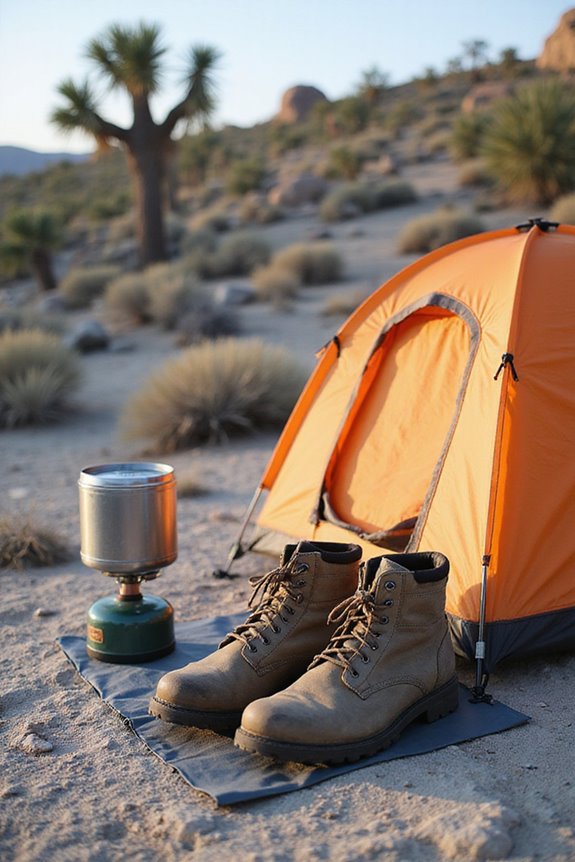
Exploring the desert can feel like stepping into another world, but to keep the magic alive, we need to choose our travel surfaces wisely. When selecting durable surfaces, let’s aim for rock, sand, or gravel—these beauties are built to withstand our adventures! Avoid those tempting vegetation patches; they’re fragile and can’t handle our joyous footfalls. Always carry thermal blankets when venturing into the desert, as temperatures can drop dramatically at night, putting you at risk of hypothermia without proper emergency gear.
Recommended Products
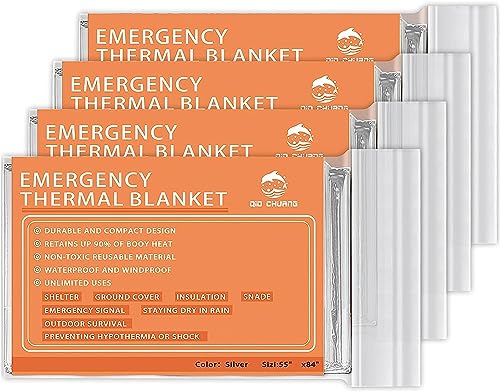
Emergency Mylar Thermal Blankets - Emergency Blanket,Space Blanket,Thermal Blanket,Mylar Blanket,Survival Blanket.Our durable advanced aluminized Mylar blankets are perfect for civilian bug out bags, go-bags, and home/auto emergency kits.

All-Weather Protection for Outdoor Survival: Built with a durable 3-layer design, this all-weather survival blanket combines reflective Mylar and rugged polypropylene to help retain body heat while blocking wind and moisture. Ideal for camping, hiking, hunting, or emergency preparedness when dependable protection matters.
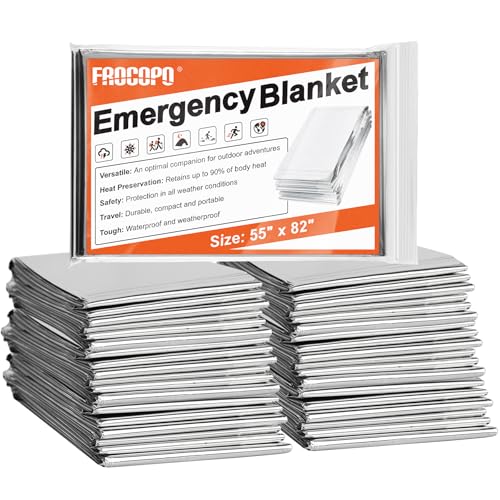
6 PACK EMERGENCY BLANKETS: Designed for outdoor use, emergency blankets are perfect for hiking, camping, and mountaineering. They retain body heat, are windproof, waterproof, and provide reliable protection in emergencies to help ensure your safety.
Essential Waste Disposal Practices
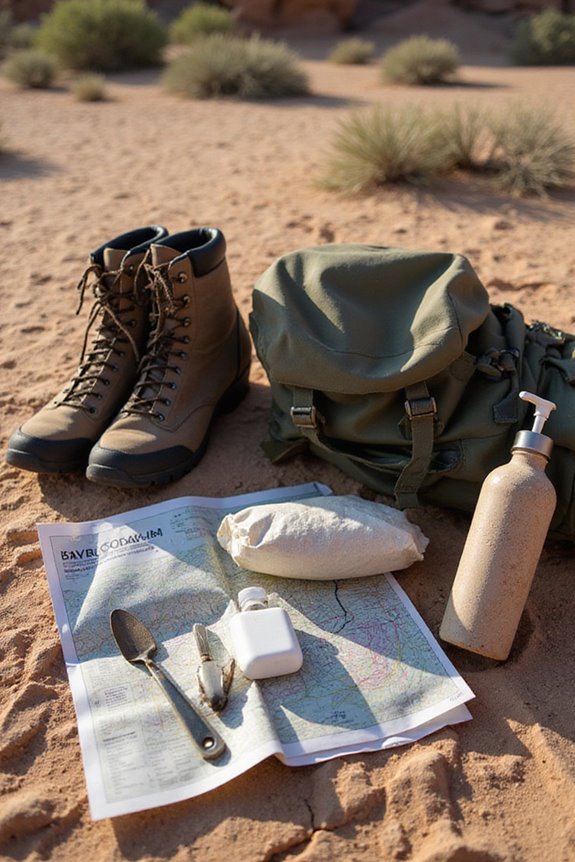
Having chosen the right surfaces for our desert adventures, we now face an equally important task: waste disposal. We’ve gotta talk about cat hole techniques. Let’s dig a hole 6-8 inches deep and 6 inches wide, at least 200 feet from water and campsites. It keeps things clean and preserves nature. Trust me, it’s a game-changer!
For our dishwater? We can’t just toss it anywhere! Strain it and pour it 60 meters away in barren spots—no vegetation. And guys, always pack out trash and food scraps! A clean campsite equals happy trails.
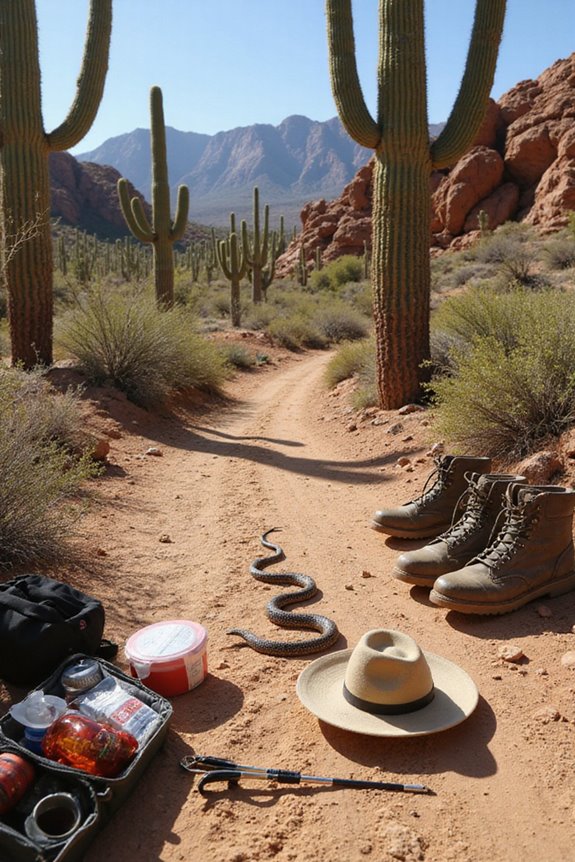
Always include essential first aid supplies for treating minor injuries that might occur while practicing proper waste disposal techniques in remote areas.
With these essential waste disposal practices, we’ll keep the desert pristine. Let’s leave no trace and make our mark with responsible adventuring! Happy hiking!
Importance of Leaving Natural and Cultural Features
While we venture into the mesmerizing deserts, it is crucial to recognize the importance of leaving natural and cultural features intact. By doing so, we honor the cultural significance these landscapes hold for indigenous communities and embrace our role in archaeological preservation. Picture it: discovering a sacred site and knowing we’ve kept it undisturbed for future adventurers!
When we leave artifacts in place, we allow others to experience the thrill of discovery and respect the history of the land. Plus, preserving these sites protects the intricate ecosystems that thrive here. Every rock and plant plays a part! Carrying proper survival gear can help you stay safe while exploring these delicate environments without needing to disturb natural features for makeshift tools. So, let’s tread lightly and make sure those who come after us can feel the magic of the desert just like we do.
Minimizing Impact on Desert Ecosystems
As we lace up our boots and set out to explore the beauty of the desert, the thrill of adventure shouldn’t overshadow our responsibility to protect fragile ecosystems. To truly embrace freedom in the wild, we must respect desert flora and fauna interactions. Let’s plan ahead, choosing cooler seasons for visits and staying on established trails to avoid trampling those slow-growing plants!
We should carry enough water, reducing our reliance on those scarce sources. When it’s time to relax by the fire, remember, camp stoves work wonders! Let’s keep our impact minimal; we don’t need to reinvent the wheel—or the campsite! Wearing proper desert hiking boots with excellent traction helps prevent unnecessary off-trail wandering and protects both your feet and the fragile desert terrain. Together, we can preserve this unique environment for future adventurers while reveling in the magic surrounding us.
Managing Group Size to Reduce Environmental Strain
When we venture into the enchanting desert landscape, managing our group size can truly make a difference in preserving its beauty. Keeping our group size to fewer than 10 people not only eases our own experience but also reduces our impact on this delicate ecosystem. Larger groups? They tend to create noise and foot traffic that harms wildlife and compact fragile soils. Let’s aim for smaller hiking units of 2-4 folks during the day—this strategy promotes impact reduction and helps maintain tranquility in this wild haven. Plus, it’s easier to find a perfect camp spot without trampling the land! So, let’s embrace small adventures and keep our deserts pristine together—it’s the ultimate way to connect with nature!
Proper Practices for Water Conservation
To keep the desert’s beauty thriving, we’ve got to get serious about water conservation! We can be heroes of sustainability by adopting water recycling practices—think rainwater harvesting to capture that precious moisture! Imagine meeting up to 30% of our needs just by tinkering with how we collect water. We also need to embrace smart irrigation techniques like drip systems. They can cut water loss in half, leaving more for the wild!
Let’s choose drought-resistant crops when we’re farming—60% less water is a win-win! By being mindful about how we use our water, whether for hygiene or camping, we protect the land we cherish. Together, we can preserve this fantastical desert paradise for generations to come!
Recommended Products

FULL COVERAGE WATERING: Our Flantor drip irrigation kit works perfectly for small gardens, flower beds and assorted potted plants. Simply connect the system to your faucet and turn on the tap to deliver even, all-around watering and cut out tedious daily hand watering.

Convenient and portable storage kit contains 102 professional grade universal Drip irrigation parts

26 FT of durable 1/2" main line, 100 FT of 1/4" drip line, 24 emitters, and all necessary fittings for lawns, greenhouses, flower beds, and more
Preserving Wildlife Through Responsible Observation
While we might find ourselves excitedly scanning the desert landscape for glimpses of wildlife, there’s so much more to responsible observation than meets the eye! Ethical practices in wildlife observation keep our desert friends safe. Let’s remember, we shouldn’t feed them—it’s like inviting them to a junk food buffet, and trust me, that’s not a healthy option!
Staying on established trails is essential; you’d hate to be that person who unwittingly widens a path. And let’s not forget to respect personal space—both ours and the animals’. We can use our wildlife calendars to catch those epic moments while minimizing disturbances. So, as we enjoy our adventurous freedom, let’s keep our actions respectful. It’s all about creating a balance—joy for us and peace for them!
Educating Others on Leave No Trace Principles
Educating others on Leave No Trace principles is essential if we want to guarantee our stunning deserts remain pristine for generations to come. We’re all in this together! By sharing our knowledge, we create a community grounded in ethical foundations that truly cares for the wilderness. Peer education works wonders; when we teach one another, our impact multiplies.
Let’s break down those seven core principles in fun, simple terms—trust us, they’re easy to grasp! We can organize workshops or share tips online, showing how to camp responsibly in the desert. Remember, correcting someone’s mistake is a chance for growth, not shame. Together, we can foster a love for our wild spaces that’s contagious—let’s make it happen!
Planning Ahead for a Sustainable Desert Adventure
We all know that prepping for a desert adventure is just as important as getting out there and enjoying the wild! That means mapping out trip itineraries and selecting sustainable gear. Trust me, carrying at least a gallon of water per person daily is a game changer. It keeps us hydrated and conserves fragile ecosystems.
Let’s stick to established trails; nobody wants to be the reason soil and plants are trampled! We can also plan energy needs to minimize fuel use, like employing solar power for our gadgets. Remember, each tiny action counts—packing out all our waste guarantees we leave the desert as stunning as we found it. Let’s embrace our freedom and adventure responsibly!
Recommended Products

🔎 【PERFECT SET】- Included Large Capacity of 100 Ounce (3 Liter) food grade BPA FREE hydration bladder, test report will be sent to your e-mail. Any questions would be taken care and replied anytime. Padded shoulder straps, breathable system and lightweight design are the perfect tool for outdoor sports.Perfect hiking backpack for men, women, girls, boys.
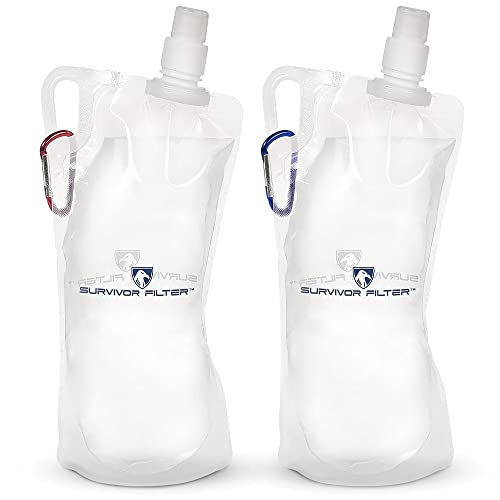
Collapsible Water Bottle - Ideal collapsible water bottles for traveling. Each leak proof canteen can attach to any portable water filter with a 28 mm thread and holds 33oz (1L) of water.

CHIROPRACTOR APPROVED: The Women's Jester pack delivers comfort and support with a padded laptop sleeve, simplified organization, and a self-standing design that's as practical as it is reliable.
Frequently Asked Questions
Recommended Products


What Should I Do if I Encounter a Desert Animal?
Like steering through a dance with nature, our animal safety instincts should guide us. When we encounter desert wildlife, we should keep our distance and follow encounter tips to guarantee respect and harmony on this beautiful stage.
How Can I Identify Fragile Desert Plants to Avoid Trampling?
To avoid trampling, we should focus on desert plant identification and use plant protection strategies. Let’s observe unique features like flower colors and leaf textures to help us tread lightly and preserve these fragile plants.
Are There Specific Weather Conditions to Avoid in the Desert?
When the desert sun blazes and sudden storms roll in like dark phantoms, we must tread wisely. Let’s avoid extreme temperatures and treacherous weather, embracing our freedom while respecting the land we love to explore.
What Are the Best Practices for Camping With Pets in the Desert?
When we camp with pets, we need to focus on desert pet safety. Let’s guarantee we’ve got pet friendly gear, keep them leashed, and always respect the environment for a truly enjoyable experience in the wild!
How Can I Safely Store Food to Prevent Attracting Wildlife?
When we’re storing food to keep wildlife at bay, we should use sturdy food containers and effective wildlife deterrents. By securely sealing our supplies, we can enjoy our adventures without unwanted animal guests.