As an Amazon Associate, we earn from qualifying purchases. Some links may be affiliate links at no extra cost to you. Although our opinions are based on curated research, we haven't used these products. Articles generated with AI.

Tips For Ice Climbing?

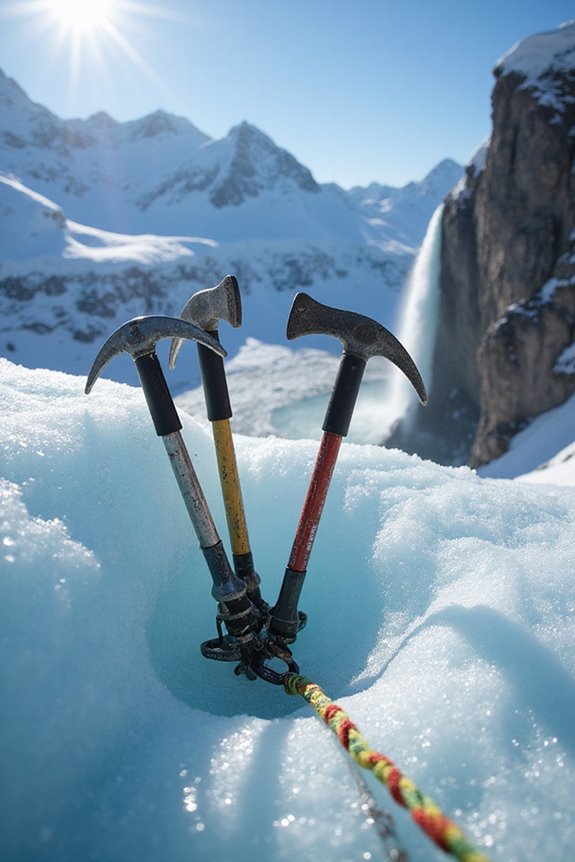
When it comes to ice climbing, we’ve got to gear up right! First up, a comfy harness and a sturdy helmet are non-negotiable. Don’t forget those ice tools and crampons—trust me, they’ll keep you stable on those steep walls! Layering is key for warmth, so wear moisture-wicking base layers and an insulating mid layer. Also, keep safety top of mind with solid belays and proper risk assessments. We can learn even more to really crush those climbs ahead!
Key Takeaways
- Wear a comfortable harness and sturdy helmet to ensure safety and protection from falling ice.
- Master key movements: maintain a triangle body position for balance and establish a controlled grip with ice tools.
- Use properly fitted crampons for solid foot placements, enhancing traction on icy surfaces.
- Always conduct a thorough risk assessment and inspect ice conditions before starting your climb.
- Organize your gear in a durable backpack to improve accessibility and efficiency during the climb.
Essential Gear for Ice Climbing
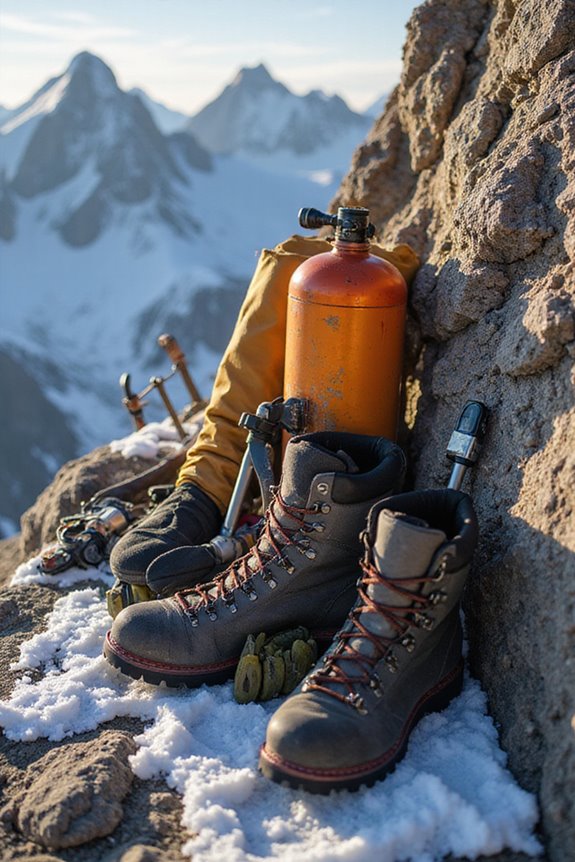
When it comes to ice climbing, gear is your best friend—think of it as your trusty sidekick on an epic adventure! Without the right gear selection, our climbing performance could take a nosedive. We absolutely need a comfy, adjustable harness and a sturdy helmet to keep safe from pesky falling ice. Ice tools? We’re packing two specialized axes with ergonomic grips for that smooth swing. Crampons must be fitted perfectly to our boots, ensuring they won’t slip when we’re scaling icy walls. Let’s not forget our trusty backpack—it needs to carry everything and more! For unexpected emergencies on the mountain, carrying Emergency Mylar Blankets can provide crucial warmth by reflecting body heat when temperatures drop dramatically. Regular gear maintenance is essential, but hey, nothing beats the thrill of reaching the summit together. So let’s gear up and conquer those ice-covered heights!
Recommended Products
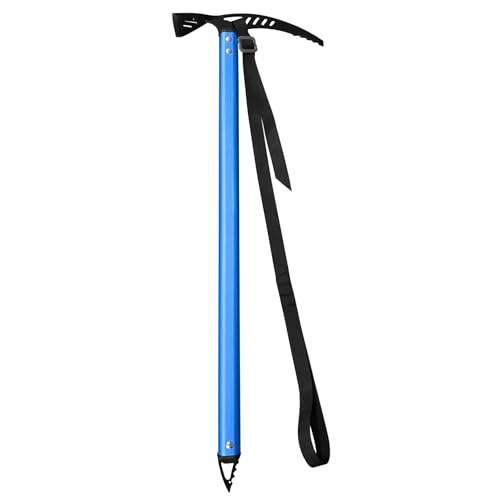
【Durable Construction】Crafted from high-strength aluminum alloy, this lightweight tool is easy to handle

Clothing and Protection Tips
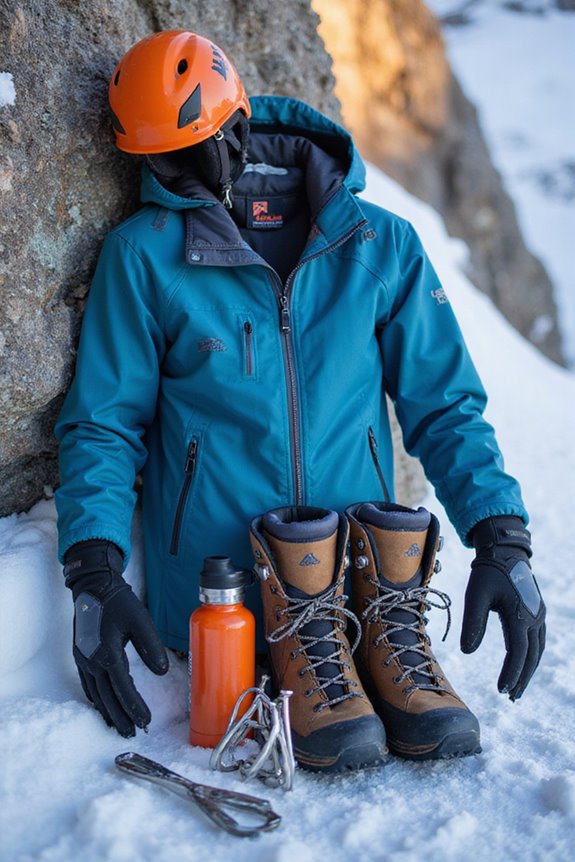
Layering up for ice climbing is essential—it’s like putting together a winning game plan for your frosty ascent! We need a solid base layer made of moisture-wicking fabrics to pull sweat away, ensuring we stay warm without that clingy cotton chill. Next, let’s toss on an insulating mid layer, like fleece, to keep us toasty without cramping our style. Our hard shell jacket? It must be waterproof and windproof while letting us breathe. Look for jackets with fully sealed seams to enhance waterproof performance during your climb. And what’s a winter warrior without insulated boots and breathable pants to fit over our harnesses? Those gaiters will be our best friends, keeping the snow at bay! So, let’s dress smartly; after all, it’s our adventure, not a fashion show!
Recommended Products

【Waterproof&Windproof Material】:100% Polyester.Professional waterproof coating and seams are 100% fully sealed and welded with TPU membrane,As a result,it guarantee a long-lasting isolation of water droplets and effectively preventing water molecules from entering.The windproof jacket adopts both special design and wear resistant material to reach windbreak effect.

Waterproof & Breathable: Women's softshell jacket is made of 96% polyester and 4% elastane.High quality waterproof coating fabric paired with breathable inner lining design, which is water resistant, breathable, wear resistant, and dirt resistant. 8000mm waterproof and 1000g/m2/24hr breathable, jacket for women with hood can resist light rain and breeze, effectively keep dry and cool, and enjoy a comfortable wearing experience.

★Material: Water resistant material, polyester, waterproof, quick-drying and sun-proof. Lightweight, breathable and skin-friendly, light and casual, easy to deal with light rain or drizzle not for heavy rain.
Key Ice Climbing Techniques
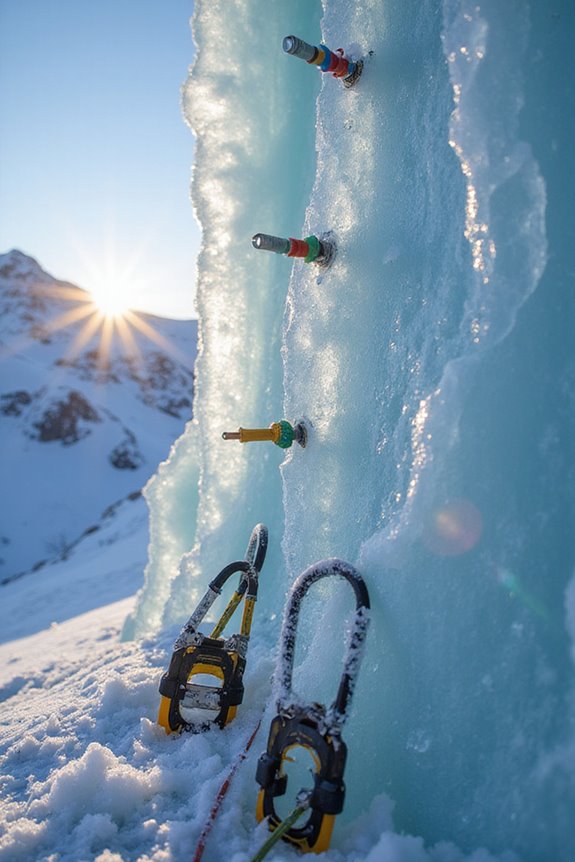
Let’s plunge into the exhilarating world of ice climbing techniques! Mastering our ice tool techniques is key to climbing success. We grip our tools with controlled precision, swinging them deliberately for solid placements. Remember, the triangle body position—hips close to the ice and tools overhead—helps us balance and conserve energy.
When it comes to foot placement, let’s focus on those front points! We kick firmly into the ice, ensuring our crampons bite well. Keeping our body close to the wall reduces strain and improves stability. We shouldn’t rush; smooth weight shifts and deliberate movements allow us to stay in control. Just like with all-season tents, having proper weather protection is essential for safety and comfort during ice climbing adventures. So, let’s embrace the cold and conquer that mountain with confidence and a sense of adventure!
Recommended Products

CLASSIC 12-POINT MOUNTAINEERING CRAMPON – Technical steel crampon designed for glacier travel, alpine climbing, snow couloirs, and mixed rock/ice routes. 12 short points (8 front, 4 rear) provide stability on ascents, descents, and traverses.
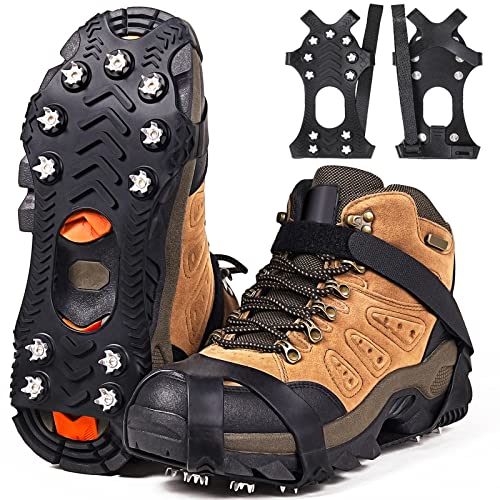
Strong Resistant Silicone: Made from stretchy thermoplastic elastomer, more durable than TPE material. The minimum side width of Crampons is 2cm and thicker than ordinary rubber, till strong performance under -49℉/-45°C. Won't tear or snap! The newly added Velcro sticks firmly to your various types of shoes boots, ensures long lasting comfort and durability.
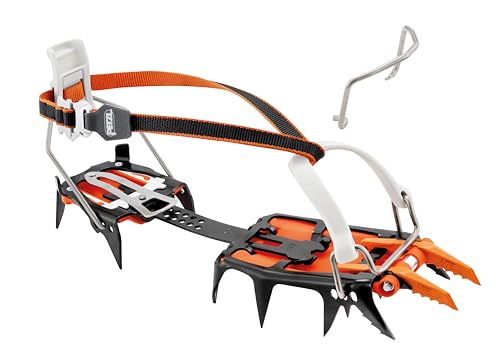
Built for technical climbing: The LYNX crampons are modular, high-performance crampons designed for ice climbing, technical mountaineering, and mixed climbing. They’re built for climbers who need precision and adaptability on demanding terrain.
Safety and Risk Management Strategies
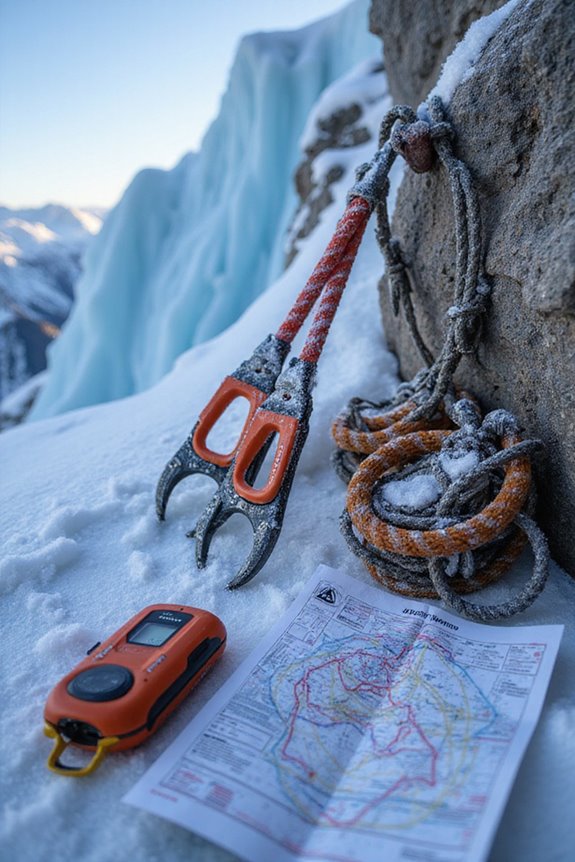
Before we conquer those icy peaks, let’s immerse ourselves in the essential domain of safety and risk management strategies. We need to conduct a solid risk assessment before even tying our boots! Let’s inspect ice conditions, checking for stability and avoiding that tempting rotten ice. Our safety protocols must include proper layering—trust me, we don’t want hypothermia knocking at our door! Always carry thermal blankets to prevent hypothermia in unexpected cold conditions when ice climbing. We should employ fundamental safety systems, ensuring our belays are solid and our anchors are trustworthy. Remember, keeping the rope taut is not just a suggestion; it’s a way of life! By staying vigilant about ice hazards and committing to ongoing education, we can truly embrace the exhilarating freedom of the climb without compromising safety. Adventure awaits!
Recommended Products
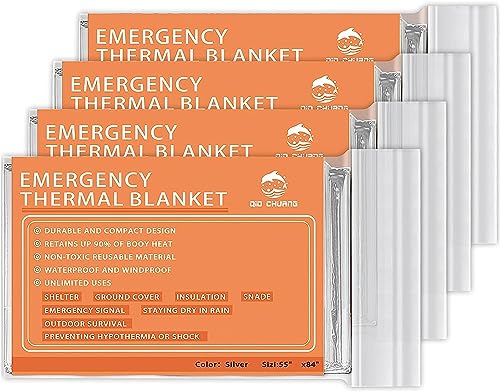
Emergency Mylar Thermal Blankets - Emergency Blanket,Space Blanket,Thermal Blanket,Mylar Blanket,Survival Blanket.Our durable advanced aluminized Mylar blankets are perfect for civilian bug out bags, go-bags, and home/auto emergency kits.

OVERSIZED 84x63 COVERAGE: Measuring 84x63 inches, this durable space blanket offers 23% larger coverage than standard size blankets, providing full-body protection for all sizes. Ideal for emergency shelters or wrapping people, ensuring maximum warmth and safety

ENHANCED MYLAR TECHNOLOGY: Premium high-strength aluminized mylar reflects 90% of body heat, preventing hypothermia and effectively staying warm in extreme cold or harsh conditions. Lightweight yet robust, the mylar blanket offers premium thermal insulation for reliable protection during emergencies, making it a must-have for survival kits
Equipment Handling and Packing Essentials
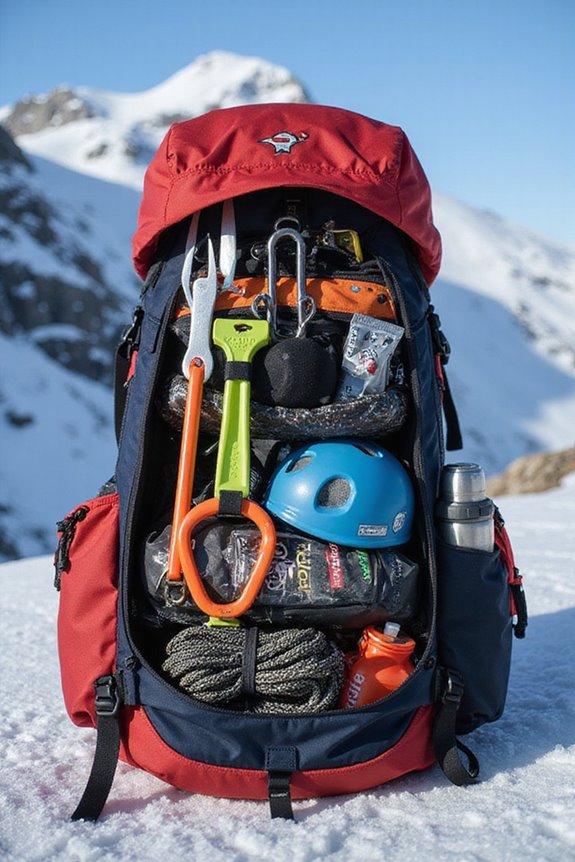
What we pack for an ice climbing adventure can make or break our experience, so let’s get it right! First, our gear organization is key. We want a comfy alpine-style harness and a durable helmet—trust us, dodging falling ice is a game-changer! Pair those with two specialized ice tools and the right crampons for traction, and we’re in business.
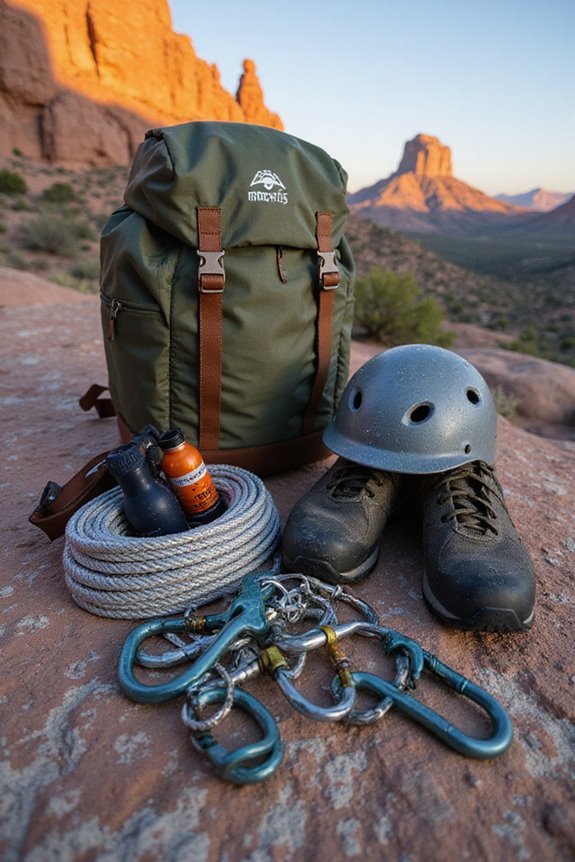
When it comes to packing strategies, we should use a 20-30 liter backpack, ensuring it’s water-resistant, with loops for ice tools and securely managing our ropes. For longer treks to the climbing site, consider bringing carbon fiber trekking poles that weigh just 7-10 ounces each for better stability without adding significant weight. Oh, and don’t forget our two water bottles! Staying hydrated fuels our freedom on the ice. Let’s escape the ordinary and embrace the thrill while being smart about what we carry—our climbing joy depends on it!
Recommended Products
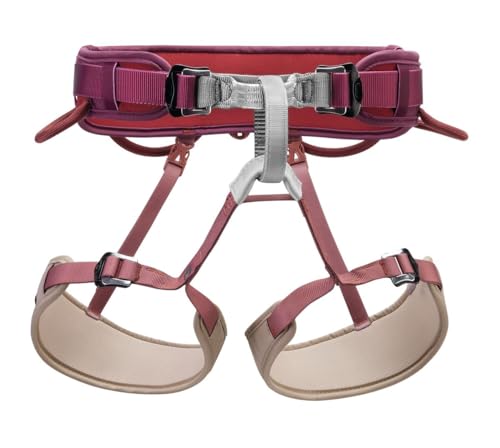
MAXIMUM VERSATILITY: The ultimate all-around harness designed for rock climbing, mountaineering, or via ferrata; comfortable enough for long gym sessions yet durable enough for outdoor cragging.
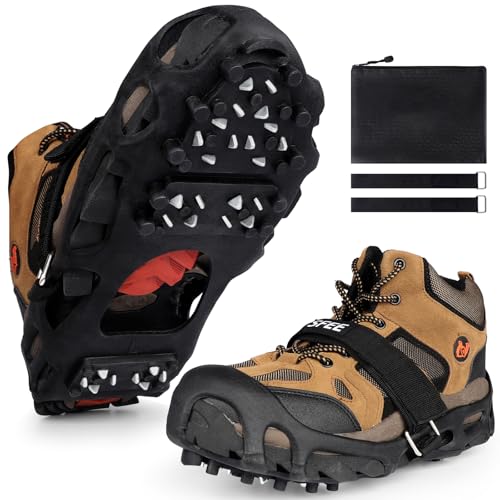
【DURABLE SPIKES&THICKER DURABLE RUBBER】Sfee ice cleats is made of premium 2.2mm thicker cold resistant silicone and 304 stainless steel for durability and flexible traction, crampons remain highly elastic and tear-resistant even in extreme temperatures as low as -60°F.Reinforced multi-direction studs ensure long-lasting durability. Specially heat-treated 304 stainless studs deliver exceptional strength and toughness,crampons for shoes provide safe & reliable protection for secure winter walking.

【Premium Material】Sfee Ice cleats made of sturdy, abrasion-resistant welded stainless steel chains with square-shaped links which can provide excellent traction and ensure durability in the most rugged conditions. Ice shoes grippers adopts thickened stretchy thermoplastic elastomer, till strong performance under -60°F. Won't tear or snap! Crampons are equipped with adjustable magic tape straps to securely adhere to all types of shoes, ensuring long-lasting comfort and durability.
Frequently Asked Questions
What Should I Eat Before an Ice Climbing Trip?
When we ponder our pre-climb nutrition, let’s embrace balanced meals and energy snacks, fueling our adventurous spirits. A harmonious blend of carbs and protein guarantees we’re ready to tackle ice and explore our limits.
How Do I Assess My Ice Climbing Skill Level?
To assess our ice climbing skill level, we can reflect on our climbing evaluations and experiences, ensuring we’re matching our abilities to the appropriate grades. Regularly tracking progress will help us feel more confident and free.
What Common Mistakes Should Beginners Avoid in Ice Climbing?
When we’re venturing into ice climbing, let’s avoid mistakes like improper gear selection and neglecting safety protocols. If we stay mindful and practice proper techniques, we’ll embrace the freedom of the ice with confidence!
How Can I Improve My Mental Focus During Climbs?
To improve our mental focus during climbs, we can embrace visualization techniques and mindfulness practices. These strategies help center our thoughts, clear distractions, and keep us connected to the present moment, enhancing our climbing experience.
Are There Recommended Climbing Destinations for Beginners?
When considering beginner-friendly locations, we’ve found spots like Ouray and Cogne offer fantastic ice climbing courses. These destinations not only welcome newcomers but also provide the freedom to explore and learn in breathtaking settings.